Quick Answer: Can Anyone Start a Dark Kitchen?
Yes. You need: Level 2 Food Hygiene certificate (£30-100, 1 day), food business registration with your council (free, 28 days notice), public liability insurance (£150-400/month), and access to a commercial kitchen (from £15/hour). Total minimum startup: ~£8,000 including 3 months working capital. No restaurant experience required.
5-Phase Launch Plan
Phase 1: Concept & Research
Research your local delivery market
Open Deliveroo, Just Eat, and Uber Eats in your target area. What cuisines are oversaturated? What's missing? Look for gaps with demand but limited competition.
Define your food concept
Choose a cuisine that travels well (burgers, wings, bowls work great; fish & chips, salads are harder). Your menu should be executable by 2-3 people during peak hours.
Calculate your budget
Budget £8,000-30,000 for startup depending on whether you use shared facilities or build your own. Include 3 months operating costs as runway.
Plan for multiple brands
Consider launching 2-3 virtual brands from day one. Different cuisines, same kitchen = more visibility on apps without extra rent.
Phase 2: Setup & Legals
Register your food business (Day 1)
Register with your local council immediately - it requires 28 days notice by law. It's free. Do this before anything else.
Get food safety certified
Complete Level 2 Food Hygiene certification (£30-100, takes 1 day online). This is required before you can cook commercially.
Arrange insurance
Get public liability insurance (minimum £5M) and product liability coverage. Budget £150-400/month. Compare quotes from specialist food business insurers.
Find your kitchen space
Browse dark kitchen facilities in your target area. Start with shared/commissary kitchens to minimise risk. Look for spaces with 24/7 access and good delivery driver parking.
Phase 3: Kitchen & Menu Setup
Sign kitchen agreement
Start with monthly or 3-month terms until you've validated demand. Negotiate what's included: equipment, storage, utilities, cleaning.
Finalise your menu
Keep it tight: 8-12 items maximum. Every item should travel well, have good margins (aim for 65-70% gross margin), and be executable quickly.
Test your recipes for delivery
Cook everything, package it, let it sit 30 minutes, then taste. That's what your customer experiences. Adjust recipes and packaging as needed.
Set up packaging and supplies
Order branded packaging (or plain to start). Budget £200-600/month. Consider containers that vent steam and keep food at the right temperature.
Phase 4: Delivery Platform Launch
Apply to delivery platforms
Sign up for Deliveroo, Just Eat, and Uber Eats. Each takes 1-3 weeks to approve. Start with one platform to get operations smooth before adding others.
Invest in food photography
Professional photos are essential - they determine whether people order. Budget £200-500 for a photographer or learn to shoot with good lighting yourself.
Optimise your listings
Write compelling descriptions, set competitive prices, choose the right category. Your first 50 reviews determine your visibility - launch strong.
Soft launch
Start with limited hours and a small delivery radius. Work out operational kinks before scaling. Aim for perfect execution over volume initially.
Phase 5: Scale & Optimise
Monitor and respond to reviews
Respond to every review, especially negative ones. Your rating determines app visibility. Address issues immediately and publicly.
Launch additional virtual brands
Once your first brand is stable (4+ stars, 50+ reviews), launch brand 2 from the same kitchen. Different cuisine, different customers, same overhead.
Build direct ordering
Platform fees (25-35%) eat margins. Set up your own website for direct orders. Incentivise direct ordering with discounts or loyalty rewards.
Analyse and optimise
Track your best-selling items, busiest times, and profit margins. Cut underperforming items. Double down on what works.
Startup Cost Breakdown
Minimal Setup
Shared kitchen, single brand, lean operation
- Kitchen deposit + 2 months rent£3,000-6,000
- Insurance (3 months)£450-1,200
- Food hygiene & registration£50-150
- Initial inventory£1,000-2,000
- Packaging supplies£500-1,000
- Photography£200-500
- Working capital£2,500-4,000
Standard Setup
Dedicated space, 2-3 brands, proper equipment
- Kitchen deposit + 3 months rent£6,000-15,000
- Additional equipment£3,000-8,000
- Insurance (6 months)£900-2,400
- Branding & photography£1,000-2,500
- Initial inventory (2-3 brands)£2,000-4,000
- Packaging (branded)£1,500-3,000
- Working capital£5,000-10,000
Keys to Dark Kitchen Success
Obsess over your first 50 reviews
Your rating in the first month determines visibility on delivery apps for months to come. Execute perfectly at low volume before scaling.
Design your menu for delivery
Every item should taste great after 20-30 minutes in a bag. Test everything by cooking, packaging, waiting, then eating.
Plan for multiple brands from day one
Your kitchen can run 3-5 brands. Design your menu and equipment around this - it's how you'll scale profitably.
Build direct ordering early
Platform fees (25-35%) kill margins. Set up your own ordering within month 2. Even 20% direct orders significantly improves profitability.
Invest in photography
Your photos determine whether people order. Invest £200-500 in professional shots or learn to shoot with good lighting yourself.
Choose location based on data
Not foot traffic - delivery demand. Analyse which cuisines are underserved in which postcodes before choosing your kitchen location.
Franchise & Partnership Options
Not starting from scratch? Partner with established brands or operators to reduce risk and leverage existing systems.
Deliveroo Editions
Rent a space in a Deliveroo-operated dark kitchen hub. Get prime app positioning, marketing support, and delivery coverage.
Pros
- Prime app visibility
- Marketing support
- Purpose-built facilities
- Established delivery network
Cons
- London/major cities only
- High rent
- Deliveroo-exclusive
- Limited menu control
Virtual Brand Licensing
License an established virtual brand (e.g., Wow Bao, MrBeast Burger) to operate from your existing kitchen. They provide branding, recipes, and training.
Pros
- No upfront cost
- Proven concept
- Marketing included
- Recipe support
Cons
- Ongoing royalties (5-8%)
- Limited customisation
- Brand restrictions
- US-centric options
CloudKitchens (Travis Kalanick)
Rent fully-equipped kitchen units in purpose-built facilities. Multiple brands can operate from one space.
Pros
- Fully equipped
- Flexible terms
- Multi-brand support
- Growing UK presence
Cons
- Limited locations
- Premium pricing
- Competitive waitlists
Karma Kitchen
UK-based shared kitchen and food business incubator. Offers kitchen space plus business support, mentoring, and community.
Pros
- Flexible hourly rates
- Business mentoring
- Community network
- UK-focused
Cons
- Less dedicated space
- Shared facilities
- Limited to certain cities
Virtual Brand Licensing Options
License a proven virtual brand to operate from your existing kitchen. You get the brand, recipes, and marketing — they take a royalty on each sale.
| Brand | Cuisine | Royalty | Requirements |
|---|---|---|---|
| Wow Bao | Asian Bao Buns | 6-8% | Existing kitchen, training completion |
| MrBeast Burger | Burgers | 6% | Virtual Dining Concepts partnership |
| Firebelly Wings | Wings | 5-7% | Kitchen with fryer capacity |
| The Local Culinary | Various UK brands | Varies | UK-based operation |
When to Consider Partnerships
- • Deliveroo Editions: If you want prime app placement in major cities and can afford higher rent
- • Virtual Brands: If you have kitchen capacity and want to add revenue without developing new concepts
- • Independent: If you want full control and are willing to build brand awareness yourself
Common Reasons Dark Kitchens Fail
- 1.Underestimating platform fees (25-35% per order) when setting menu prices
- 2.Poor food photos that don't convert browsers to orders
- 3.Menu items that don't travel well - quality drops during delivery
- 4.Scaling too fast before operations are smooth - bad reviews tank visibility
- 5.Running out of working capital before reaching breakeven (~£8-10K/month revenue)
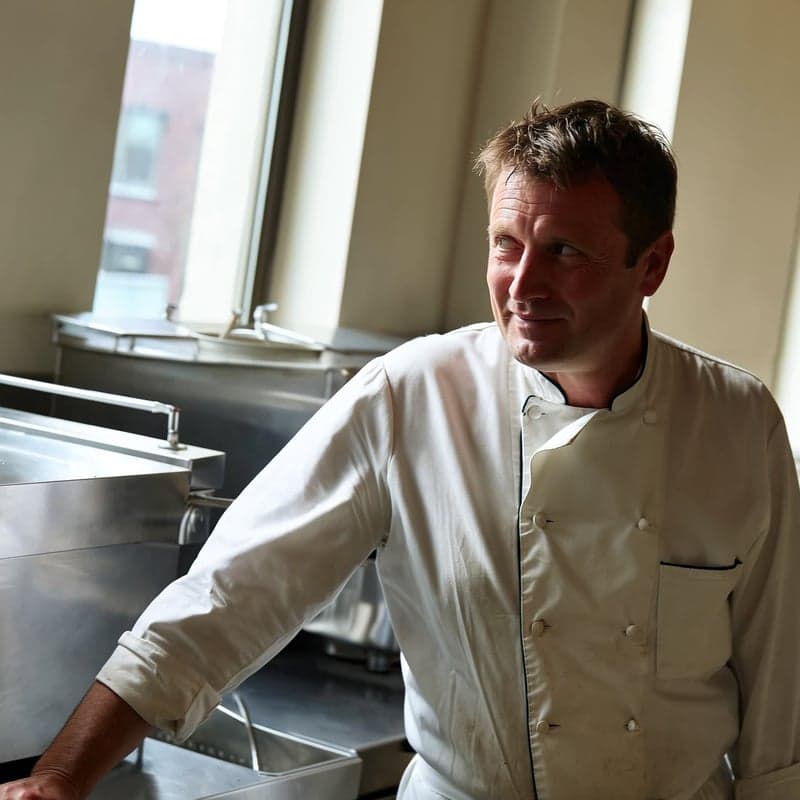
James Mitchell
Ghost Kitchen Operations Director & Industry Expert
With 15 years in the food service industry, James Mitchell has managed operations for multiple ghost kitchen networks across the UK. He specializes in delivery-only kitchen models, kitchen equipment procurement, and helping startups scale their food businesses efficiently.
Areas of Expertise
Credentials
- MBA in Hospitality Management
- Former Operations Director at major ghost kitchen operator
- Food Hygiene Level 4 Certified
- 15+ years food service industry
- Managed 20+ dark kitchen locations
Starting a Dark Kitchen: FAQ
How much money do I need to start a dark kitchen?
You can start a dark kitchen with £8,000-15,000 using shared kitchen facilities, or £20,000-35,000 for a dedicated space with multiple brands. This includes rent deposits, equipment, insurance, inventory, and 2-3 months working capital. The minimal approach uses hourly kitchen rental to reduce upfront costs further.
How long does it take to start a dark kitchen?
You can launch a dark kitchen in 2-4 weeks. The main constraint is food business registration (28 days required by law), but you can complete everything else in parallel. If using a pre-licensed shared kitchen and you already have food hygiene certification, you can be cooking within 1-2 weeks.
Do I need experience to start a dark kitchen?
You need food handling knowledge (Level 2 Food Hygiene certificate minimum) but not necessarily restaurant experience. Many successful dark kitchen operators come from home cooking backgrounds. What matters more is your concept, execution consistency, and understanding of delivery app dynamics.
How do I get on Deliveroo, Just Eat, and Uber Eats?
Apply through each platform's partner signup page. You'll need: registered food business address, food hygiene rating (the kitchen's), menu with photos and prices, and business bank account. Approval takes 1-3 weeks per platform. Start with one to get operations smooth before adding others.
Can I run a dark kitchen from home?
No. UK food safety law requires a certified commercial kitchen with separate handwashing facilities, appropriate storage, ventilation, and pest control. Domestic kitchens don't qualify. You must rent commercial kitchen space, which starts from £15/hour for shared facilities.
How much can I earn from a dark kitchen?
Successful single-brand dark kitchens generate £8,000-20,000/month in revenue with 15-25% net profit margins after all costs. Multi-brand operators running 3-5 virtual brands from one kitchen can reach £30,000-60,000/month revenue. Breakeven typically requires £8,000-10,000 monthly revenue.
What cuisines work best for dark kitchens?
Cuisines that travel well and have fast prep times work best: burgers, wings, fried chicken, poke bowls, wraps, Indian curry, pizza, and Asian noodles. Avoid items that go soggy quickly (fish & chips, delicate salads) or require complex plating. Simple, bold flavours that survive 20-30 minute delivery windows are ideal.
Should I start with one brand or multiple?
Start with one brand to nail operations, then add more. Get your first brand to 4+ stars and 50+ reviews before launching brand 2. Multi-brand operators earn 2-3x more than single-brand operations from the same kitchen space, but only if each brand is well-executed.
Are there dark kitchen franchise opportunities in the UK?
Yes, several options exist: Deliveroo Editions offers kitchen spaces in their hubs (£1,500-3,500/month) with prime app positioning. CloudKitchens rents fully-equipped units. You can also license virtual brands like Wow Bao or MrBeast Burger (5-8% royalty) to operate from your existing kitchen. Independent operation gives more control but requires building your own brand.
Can I partner with virtual restaurant brands?
Yes, virtual brand licensing lets you operate established brands from your kitchen. Companies like Virtual Dining Concepts offer brands like MrBeast Burger (6% royalty), Wow Bao (6-8%), and others. You get the brand, recipes, training, and marketing support. This works well if you have spare kitchen capacity and want revenue without developing new concepts.