Quick Answer
A ghost kitchen is a commercial kitchen that makes food only for delivery — no tables, no waiters, no walk-in customers. Orders come through Deliveroo, Uber Eats, and Just Eat. Ghost kitchens cost 60-80% less to start than traditional restaurants and let you run multiple virtual brands from one space.
How Ghost Kitchens Work
Customer Orders
Via Deliveroo, Uber Eats, or Just Eat app
Kitchen Prepares
Food cooked and packaged for delivery
Rider Collects
Platform courier picks up the order
Customer Receives
Food delivered to customer's door
Unlike traditional restaurants, ghost kitchens have no dining room, no front-of-house staff, and no walk-in customers. This dramatically reduces overhead costs — no expensive high-street rent, no waiters, no dining furniture. The entire operation focuses on one thing: cooking food for delivery as efficiently as possible.
Ghost Kitchen vs Other Kitchen Types
Ghost Kitchen
Also known as: Dark Kitchen, Cloud Kitchen
Delivery-only kitchen with no customer-facing space. Food prepared exclusively for delivery apps.
Best for: Delivery-focused brands, virtual restaurants, multi-brand operators
Shared Kitchen
Also known as: Commissary Kitchen
Kitchen space shared with other food businesses. Typically rented by the hour or day.
Best for: Startups, caterers, food trucks, part-time operations
Incubator Kitchen
Also known as: Food Business Incubator
Shared kitchen with business support, mentoring, and networking. Often includes training.
Best for: First-time food entrepreneurs, those needing guidance
Virtual Restaurant
Also known as: Virtual Brand
A brand that exists only on delivery apps. Can operate from any licensed kitchen.
Best for: Existing restaurants adding delivery brands, ghost kitchen operators
Ghost Kitchen Pros and Cons
Advantages
Lower startup costs
60-80% less than traditional restaurant (no dining room, decor, front-of-house staff)
Faster launch
Open in 2-4 weeks vs 3-6 months for traditional restaurant
Flexible location
No need for high-street visibility — rent cheaper industrial spaces
Multiple brands
Run 3-5 virtual brands from one kitchen, multiplying revenue
Lower overhead
No waitstaff, smaller space, lower rent in non-prime locations
Data-driven decisions
Delivery platforms provide detailed sales data for menu optimization
Disadvantages
Platform dependency
25-35% commission to Deliveroo/Uber Eats/Just Eat eats into margins
No walk-in customers
Zero organic foot traffic — 100% reliant on delivery platforms
Brand building harder
No physical presence makes building customer loyalty more difficult
Menu limitations
Food must survive 30-45 minute delivery — rules out many dishes
Algorithm volatility
Platform ranking changes can dramatically affect order volume
Lower customer loyalty
Customers order from apps, not directly from your brand
Ghost Kitchen Market UK
Ghost kitchens operating in the UK
UK food delivery market (2024)
Of UK delivery from London alone
Ghost Kitchen Costs by UK City
| City | Monthly Rent | Break-even Orders/Day |
|---|---|---|
| London Central | £2,500-3,500 | 75-95 orders |
| London Suburbs | £1,500-2,500 | 55-70 orders |
| Manchester | £850-1,500 | 35-45 orders |
| Birmingham | £800-1,400 | 35-50 orders |
| Leeds | £750-1,300 | 40-55 orders |
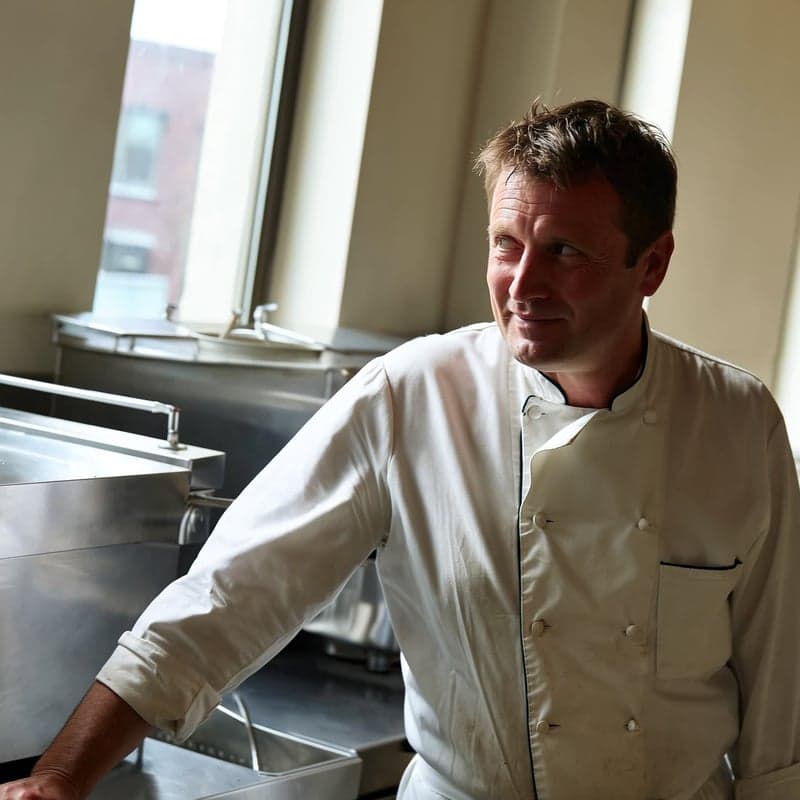
James Mitchell
Ghost Kitchen Operations Director & Industry Expert
With 15 years in the food service industry, James Mitchell has managed operations for multiple ghost kitchen networks across the UK. He specializes in delivery-only kitchen models, kitchen equipment procurement, and helping startups scale their food businesses efficiently.
Areas of Expertise
Credentials
- MBA in Hospitality Management
- Former Operations Director at major ghost kitchen operator
- Food Hygiene Level 4 Certified
- 15+ years food service industry
- Managed 20+ dark kitchen locations
Ghost Kitchen FAQ
What is a ghost kitchen?
A ghost kitchen (also called dark kitchen or cloud kitchen) is a commercial kitchen that prepares food exclusively for delivery. There's no dining room, no walk-in customers — just cooking and dispatching orders to delivery apps like Deliveroo, Uber Eats, and Just Eat. Ghost kitchens typically cost £1,500-3,500/month in the UK and can be up 60-80% cheaper than opening a traditional restaurant.
What is the difference between a ghost kitchen and a dark kitchen?
There is no difference — ghost kitchen and dark kitchen mean exactly the same thing. "Ghost kitchen" is more common in the US, while "dark kitchen" is often used in the UK and Europe. Both refer to delivery-only kitchens with no customer-facing space. The term "cloud kitchen" is also used interchangeably.
How much does it cost to rent a ghost kitchen in the UK?
Ghost kitchen rent in the UK ranges from £800-3,500/month depending on location and size. London central locations cost £2,500-3,500/month, London suburbs £1,500-2,500/month, and regional cities like Manchester or Birmingham £800-1,500/month. Most rentals include utilities and basic equipment. Total startup costs including rent, equipment, inventory, and insurance typically range from £8,000-35,000.
Is a ghost kitchen profitable?
Yes, ghost kitchens can be profitable, typically achieving 8-18% net profit margins at scale. However, profitability depends on location (lower rent = higher margins), order volume (60-80 orders/day typically needed to break even), and managing platform commissions (25-35%). Regional UK operators often achieve profitability faster due to lower rents. Multi-brand operators running 3-5 concepts from one kitchen can earn £15,000-25,000/month profit.
What food works best in a ghost kitchen?
Foods that travel well work best: pizza, burgers, fried chicken, wings, rice bowls, curries, wraps, and pasta. These maintain quality during 30-45 minute delivery windows. Avoid delicate items like crispy salads, sashimi, or dishes that go soggy quickly. The best ghost kitchen menus have 12-18 items maximum, all designed specifically for delivery.
Do I need a licence to run a ghost kitchen?
Yes. In the UK, you need to register your food business with your local council (free, 28 days notice required), obtain at least Level 2 Food Hygiene certification (£30-100, 1 day online), and get public liability insurance (minimum £5M, around £150-400/month). The ghost kitchen facility itself must have a Food Hygiene Rating. If you rent from an established operator like CloudKitchens or Karma Kitchen, the premises are already licensed.
What is a virtual restaurant?
A virtual restaurant (or virtual brand) is a restaurant brand that exists only on delivery apps — it has no physical storefront customers can visit. Virtual restaurants operate from ghost kitchens, shared kitchens, or even existing restaurant kitchens. Many ghost kitchen operators run 3-5 different virtual brands from the same kitchen to multiply their delivery app visibility and revenue.
How do I get on Deliveroo, Uber Eats, and Just Eat?
Apply through each platform's partner signup page. You'll need a registered food business address, food hygiene rating for your kitchen, menu with photos and prices, and a business bank account. Approval typically takes 1-3 weeks per platform. Start with one platform to perfect operations, then add others after achieving consistent 4.6+ star ratings.