The ghost kitchen industry was supposed to revolutionise food entrepreneurship. Lower overheads. No need for a dining room. Get cooking in weeks, not years. The pitch is seductive—especially for first-time founders with limited capital.
But the reality is more complicated. We've analysed dozens of founder journeys, from venture-backed ghost kitchen tenants to scrappy market stall operators, and the patterns are clear: the ghost kitchen model works brilliantly for some businesses and destroys others. The difference often comes down to factors that aren't obvious until you're locked into a lease.
Case Study: The CloudKitchens Nightmare
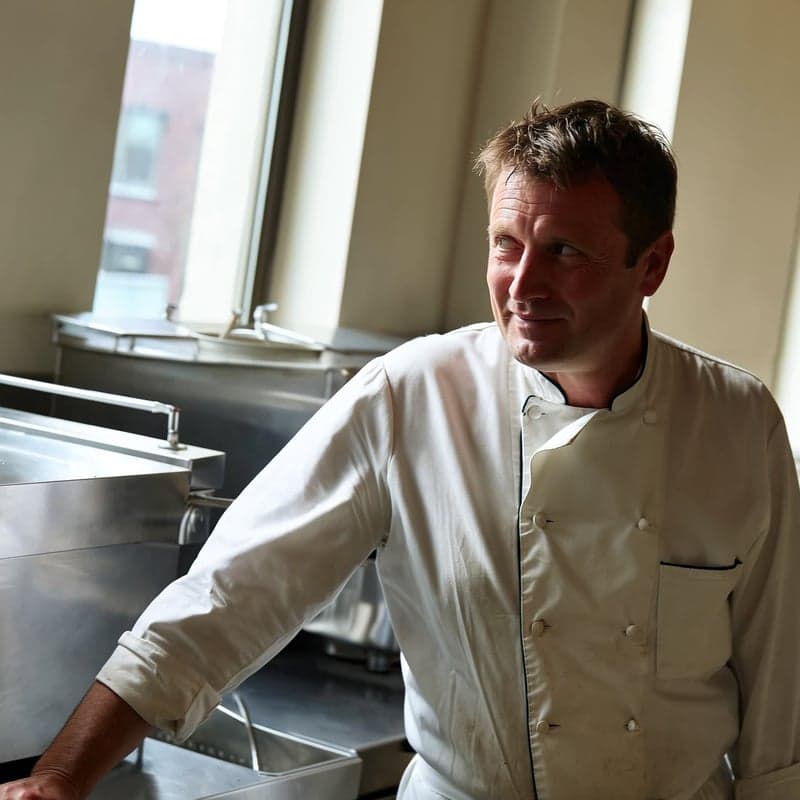
Eric Roldan — Marina's Bistro
Chicago, USA • Puerto Rican Cuisine
"The sales pitch emphasised speed to market—getting up and running in weeks rather than the year often required for a traditional build-out. For an entrepreneur with limited capital, this proposition was dangerously seductive."
The Promise
- Turnkey kitchen in Avondale for ~$4,300/month
- Break-even timeline of just six months
- Branding and marketing support included
The Reality
- Marketing support "materialised briefly before disappearing"
- Order volume plummeted to 1-2 tickets per day
- Fruit fly infestations, slow equipment repairs
- Aggressive legal threats when trying to exit
The Pivot That Saved the Business
Eric used the recipes and concept testing from the ghost kitchen phase to secure a permanent physical location in Chicago's Uptown neighbourhood. The new Marina's Bistro and Rum Bar leverages the one asset a ghost kitchen strictly forbids: the dining room. By selling high-margin cocktails and creating a culturally vibrant atmosphere, Roldan built the community loyalty necessary for survival.
Key Insight
For cuisine rooted in culture and hospitality—like Puerto Rican food—the facelessness of a ghost kitchen acts as a barrier to value creation rather than an enabler. Eric's story suggests that ghost kitchens work best for brands that don't rely on atmosphere, community, or the full dining experience.
The 5 Most Common Ghost Kitchen Problems
Marketing Support Disappears
Initial promises of branding and platform visibility vanish after signing
Impact: Orders drop to 1-2 per day, making rent impossible to cover
No Customer Relationship
Delivery platforms own the customer data, not you
Impact: Can't build loyalty, entirely dependent on algorithm placement
Hidden Costs Stack Up
Platform fees (18-30%), packaging, delivery commissions add up
Impact: Margins shrink from expected 30% to actual 10-15%
Lease Traps
Aggressive terms, personal guarantees, difficult exit clauses
Impact: Stuck paying rent for months after business fails
Shared Facility Issues
Equipment breakdowns, hygiene problems from other tenants
Impact: Your brand reputation damaged by factors outside your control
What Actually Works: The Alternative Models
Not every ghost kitchen story ends badly. The most resilient models in 2025 share common traits—they're hybrids that combine digital reach with something the pure ghost kitchen model lacks.
Peckwater Brands — Virtual Franchise Model
London, UK • Kitchen Optimisation
Unlike CloudKitchens, Peckwater doesn't own real estate. They act as IP developers and supply chain managers, licensing food brands to existing kitchens with excess capacity.
The "Second Shift" Model
Most commercial kitchens are underutilised. A pub kitchen might be busy on Friday nights but dead on Tuesday afternoons. Peckwater analyses local delivery data, identifies cuisine gaps, and approaches operators with a solution.
Existing Customer Base
Brands with established followings (social media, physical location) convert better
Example: Honi Poke used Deliveroo Editions to expand, not to start from zero
Kitchen Optimisation Model
Adding virtual brands to existing underutilised kitchen capacity
Example: Peckwater Brands helped Bahri's Kebab House increase turnover by 16%
Product-First Approach
Food that travels well and has genuine differentiation
Example: Taster partners with chefs to engineer food specifically for delivery
Physical Anchor
Successful ghost kitchen founders often pivot to brick-and-mortar
Example: Eric Roldan's Marina's Bistro now thrives with a dining room and rum bar
Should You Start a Ghost Kitchen?
Ghost Kitchen May Work If...
- You already have an established brand with customers
- Your food travels exceptionally well
- You have existing kitchen capacity to optimise
- You're testing a market before committing to physical space
- You have significant marketing budget for platform visibility
Ghost Kitchen May Fail If...
- You're starting from zero with no customer base
- Your cuisine relies on atmosphere and hospitality
- You're signing a lease with personal guarantees
- You expect the platform to bring customers to you
- You can't afford to lose the first 6 months of rent
The Bottom Line
The ghost kitchen model isn't broken—but the aggressive, venture-backed "real estate play" version of it is toxic for early-stage independents. The data is clear: operators who treat ghost kitchens as a path to avoid building a real business usually fail.
The winners use ghost kitchens as one tool among many: testing concepts, expanding reach for existing brands, or optimising underused kitchen capacity. They maintain optionality, avoid personal guarantees, and build toward something more sustainable.
Eric Roldan's journey from CloudKitchens nightmare to thriving bistro and rum bar proves the point: the fundamentals of hospitality—product quality, community connection, and authentic experience—still matter more than any platform algorithm.
Written by
James Mitchell
Ghost Kitchen Operations Director & Industry Expert